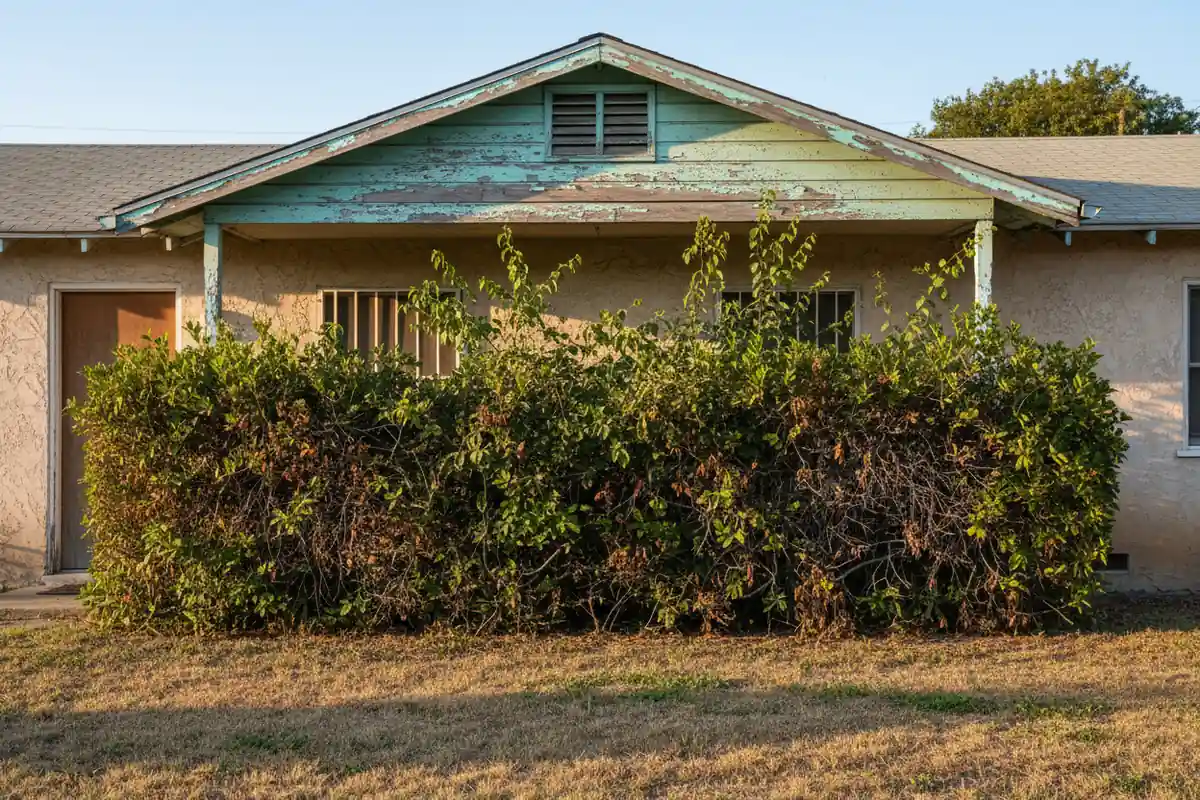
Options and Trade-offs for an Owner Facing a Maintenance Violation
Each path below resolves the notice in a different way, and each costs something different in money, time and effort.
Correct the violation. The owner clears the condition directly or hires a contractor, obtains any permit that structural repairs call for, requests a re-inspection, and asks the agency for written confirmation that the violation is closed. This keeps the decision about the property in the owner's hands and can preserve its full market appeal. The trade-off is the upfront cost and the work of coordinating it, and an agency's confirmation is not assured until the officer signs off.
Negotiate with the enforcement agency. Some agencies allow a compliance agreement or an extended correction schedule for an owner who shows good-faith progress. This can spread the work out, though whether it is available depends on the agency and the condition.
List with a real estate agent. An agent can market the property on the open market with the violation disclosed. Some buyers will ask for a price reduction in place of correction, and a buyer relying on a loan may face lender questions about the condition.
Sell the property in its present condition. A property with an open maintenance violation can be sold as it stands, with the violation disclosed as the disclosure section above describes. The buyer takes on the correction. Some owners in this position receive offers from buyers who pay cash and take the property as it is. A direct offer like that is often lower than an open-market price, because the buyer absorbs the repairs, the risk and the cost of reselling. In exchange, the seller usually faces less preparation, fewer showings and less dependence on a buyer's loan. Selling a property as-is walks through that path.
For heirs and co-owners, the choice among these paths also depends on who has authority to sign and whether the owners agree, which can shape the timeline as much as the repair itself.
The way an owner tells which path fits is by comparing written offers and estimated net proceeds: the price less commissions, repairs, carrying costs, loan payoffs and closing costs. An appraiser can speak to value and a contractor to the scope of the work.