You may be holding a closed escrow file, the keys and now a notice of violation. It may name an addition, a garage conversion or wiring that the prior owner never permitted. The questions in front of you are practical ones. Who has to fix this? What did the seller have to tell you? What can be done with the house now? This guide takes those questions in order, under California law.
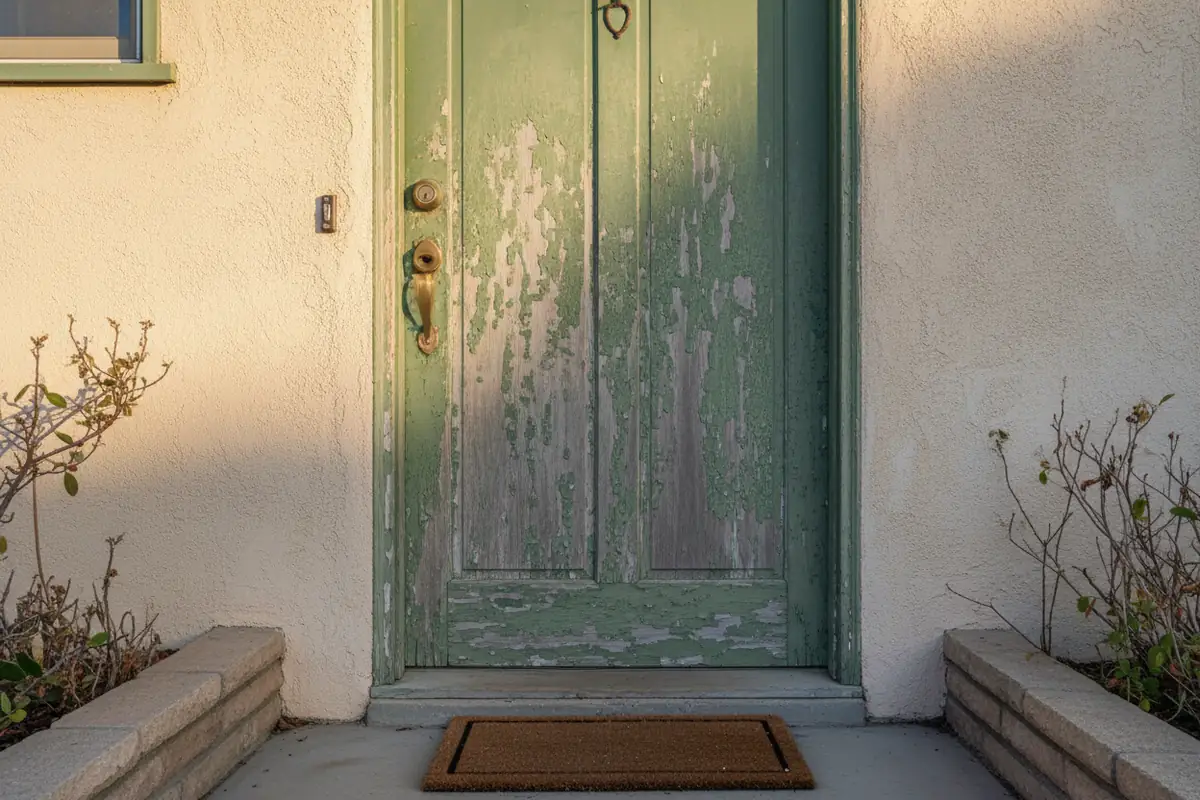
If you bought a California house that still carries open code violations, the city or county generally looks to the current owner of record to correct them. The case usually does not close at escrow. The owner can correct the work, seek a permit for unpermitted work, or sell as-is. What the seller had to disclose is a separate question.
On this page
What It Means for Owners
A code violation is a finding by a local building or code enforcement department that a property does not meet a required standard. It may involve construction done without a permit, a health or safety condition, or a zoning issue. Common examples include electrical code violations, plumbing work and structural changes. The department that found the violation is the office that decides when the case is closed.
The owner of record is the person or entity whose name is on the recorded title. In general, the enforcement agency directs its notices to that owner. If the matter is not resolved, that owner is also the person against whom the agency may take further action. The agency does not reopen a closed sale to find the seller. It looks at who holds title now. The local ordinance and the wording of the notice say exactly who is responsible and what is required, and those differ from one city or county to the next.
Two documents are easy to confuse, and they work differently:
- A notice of violation. This is an order to correct a condition. It names the problem and the steps the agency requires.
- A lien. This is a charge recorded against the property itself, often for unpaid fines or correction costs.
Both can survive a sale. A notice stays open until the agency closes it. A recorded lien stays on title until it is released. For a new owner, the practical point is the same: the case did not end when the deed was recorded. Building code violations follow this pattern across most California jurisdictions, though each local code sets its own steps.
Who It Affects
New owners come to an open case by different routes. The rules about who must correct the violation are generally the same for each of them. What changes is what they knew and what options are open to them.
Buyers who closed without the full picture. Some buyers received a disclosure that mentioned the violation but did not grasp what it meant. Other buyers were told nothing about it. Either way, the buyer now holds title.
Heirs and trust beneficiaries. A person who received a house through an estate or a trust may find violations only after the transfer. Fiduciary transfers have their own disclosure treatment, which is described below.
Investors who bought knowingly. Some buyers accept a property with known violations and plan to correct or legalize the work. Their questions are mostly about cost and process, not about disclosure.
Co-owners. When more than one person holds title, each owner of record answers to the enforcement agency. A private agreement about who pays for what does not change that.
Tenants. A tenant is not the owner of record and is not the party the agency holds responsible for correction. Conditions in the unit may raise habitability questions for the tenant, and those are a separate subject.
How the owner came to hold the property shapes the choices that follow: whether it came by purchase, inheritance or a transfer between co-owners, and what was disclosed at the time.
Rules, Disclosures and Fine Print
California's seller disclosure rules sit in an article of the Civil Code that begins at section 1102. The article governs what a seller must tell a buyer about a home.
What the article covers. Civil Code section 1102(a) states that, except as provided in Civil Code section 1102.2, the article applies to a defined set of transfers of single-family residential property. That scope matters: the article reaches single-family residential property, so a property outside that category is outside the article. The transfers listed are a sale, an exchange, a real property sales contract, a lease with an option to purchase, any other option to purchase, and a ground lease coupled with improvements.
Waivers do not work. The same section adds a firm limit in Civil Code section 1102(c):
"Any waiver of the requirements of this article is void as against public policy."
In plain terms, a buyer cannot sign away these disclosure requirements, and a clause in a purchase contract that tries to waive them has no effect. For the same reason, the duties do not change because a buyer pays cash or agrees to take the property as it is. "As-is" describes the condition a buyer accepts. It does not describe what the seller must disclose.
The Transfer Disclosure Statement. For a new owner, the disclosure document most often in the escrow file is the Transfer Disclosure Statement. It is the written record of what the seller represented about the home at the time of the sale, and it is the starting point for any later disclosure question.
Transfers the article exempts. The duties depend on the kind of transfer. Civil Code section 1102.2 lists transfers to which the article does not apply. The list includes:
- sales or transfers pursuant to court order, such as probate sales and foreclosure sales
- sales or transfers by a fiduciary administering a trust, guardianship, conservatorship or decedent's estate (with a stated exception for certain revocable-trust trustees who are former owners or recent occupants)
- "Sales or transfers from one coowner to one or more other coowners"
- sales or transfers made to a spouse, or to a person or persons in the line of consanguinity of one or more of the transferors
- sales or transfers or exchanges to or from any governmental entity
The statute's list continues beyond these items, and the full text appears in the Sources below. Whether a particular purchase fell within an exemption depends on who sold, who bought and how the transfer was made.
Inspections are a separate record. A home inspector examines the conditions that are visible and accessible. A home inspector is not a code enforcement officer and does not issue or close violations. An inspection report and a code enforcement record come from different sources.
A buyer may believe a seller knew of open violations and did not disclose them. A claim like that is a contested matter for an attorney, who can review the documents and the facts.
Options and Trade-offs
Each path below has real costs and real benefits. None of them is the answer for every house.
Correct the violations. The owner works with the building or code enforcement department to bring the property into compliance. That can mean hiring a contractor, pulling permits and scheduling inspections. When the agency accepts the work, it can close the case. The trade-off is the time and expense of the work, which a contractor can estimate. An overview of the cost to fix code violations explains where that cost comes from.
Legalize unpermitted work. When the violation involves work done without a permit, the building department may accept an application for an after-the-fact permit. The department reviews the existing work against current code. Because finished walls and ceilings hide what an inspector needs to see, the department may require that part of the work be opened up. In practice, that means removing sections of drywall, flooring or ceiling so the inspector can see the framing, wiring or plumbing behind them. The department may also require changes before it issues a permit, and the opened areas then have to be closed and finished again. Approval is not assured, so the cost of opening and restoring the work is part of weighing this path against the others.
Sell the property in its present condition. An owner may sell a house that carries open violations. The seller owes the disclosures the article requires, subject to the Civil Code section 1102.2 exemptions, and, as described above, a cash or as-is sale does not change that. Selling does not close the agency's case or release a recorded lien. A buyer who accepts the property takes on the correction. If the owner sells directly to a buyer who pays cash and takes the house as it is, the offer is often lower than an open-market price. That buyer is absorbing the repair work, the uncertainty and the cost of reselling. In exchange, the seller does less preparation, has fewer showings and depends less on whether a buyer's loan is approved. Listing with a real estate agent may bring a broader pool of buyers, but some lenders hesitate over open violations. More detail is in selling property with code violations.
A comparison of written offers and estimated net proceeds is the usual way to see which path fits a given house. Net proceeds are the price less commissions, repairs, carrying costs, loan payoffs and closing costs.
Raise a disclosure question with an attorney. If the prior seller may have hidden known violations, that is a dispute for an attorney. It does not belong in the enforcement file.
Mistakes to Avoid
Assuming the case ended at closing. Escrow closes title, not enforcement cases. This is the most common misreading. The record stays open until the agency closes it.
Setting a notice aside. A city or county can escalate an open case when an owner does not respond. Escalation can mean added notices, mounting code enforcement fines, a recorded lien, or abatement, meaning the agency arranges the correction and bills the owner. The notice itself states what is required and by when.
Repairing without permits. Fixing a cited condition without the required permit can create a new violation on top of the old one. The agency generally needs to inspect and sign off on the work.
Treating cash or "as-is" as a disclosure shortcut. The waiver rule covered under Rules, Disclosures and Fine Print applies when the new owner later sells, too.
Relying on an inspection report alone. A clean inspection does not mean there are no open violations. Only the agency's record shows open cases.
Expecting the agency to settle co-owner disputes. The agency holds every owner of record responsible. An argument among co-owners about who pays is a separate matter for an attorney.
What to Do Next
The enforcement agency's case file is the starting record. The local building or code enforcement department holds the open case. The owner of record can generally ask for the notice, the violation findings and any recorded lien. Code violation help explains how notices and correction typically proceed in Southern California.
The county recorder's office holds recorded documents, including any lien an agency has placed on the property. A title search or a review of recorded documents shows what is on the record.
The escrow file matters too. The Transfer Disclosure Statement and any other disclosures from the purchase are the record of what the seller represented. Those papers are what an attorney would review on a disclosure question.
Together, the case file, the recorded documents and the escrow disclosures show what is open, what is recorded and what the notice requires. With those three in hand, a new owner has a clearer basis for choosing between correction, legalization or a sale.
Ready to talk through your options?
Share the details of your notice. You choose whether contractors or a sale consultant may contact you.
Get help with my propertyFrequently asked questions
Do home inspectors report code violations?
A home inspector reports conditions that are visible and accessible during the inspection. A home inspector is not a code enforcement officer and does not issue, record or close violations. Open violations appear in the records of the local building or code enforcement department.
Am I responsible for code violations the previous owner created?
Generally, yes. The enforcement agency looks to the current owner of record, not to the person who created the condition. Whether the seller should have disclosed the violation is a separate question under the Civil Code disclosure article.
What is the biggest red flag in a home inspection?
An inspection report flags what the inspector observed, such as structural, electrical or plumbing concerns. A flagged item may or may not match an open enforcement case. An open case may not appear in the report at all. Checking both sources gives a fuller picture.
Can I sell a house that has open code violations in California?
Yes. A house can be sold in its present condition. The seller owes the required disclosures, subject to the Civil Code section 1102.2 exemptions, and a waiver of them is void. The sale does not close the case. The open violation and any lien pass to the buyer.
What happens if I ignore a code violation notice?
The city or county can escalate the case. That may mean further notices, fines, a recorded lien, or abatement billed to the owner. The notice states the required action and its deadline.
Does a cash buyer have to be told about code violations?
Paying cash does not change the disclosure duty, for the reasons covered in the body above. Civil Code section 1102.2 exempts certain transfers based on who the parties are and how the transfer is made, and payment in cash is not one of the listed exemptions.
What does a code violation lien mean for a new owner?
A lien recorded before the sale stays with the property, and the county recorder's records show it. Unlike a notice of violation, it is a charge on the property rather than an order to correct. Resolving it typically means satisfying the underlying case.